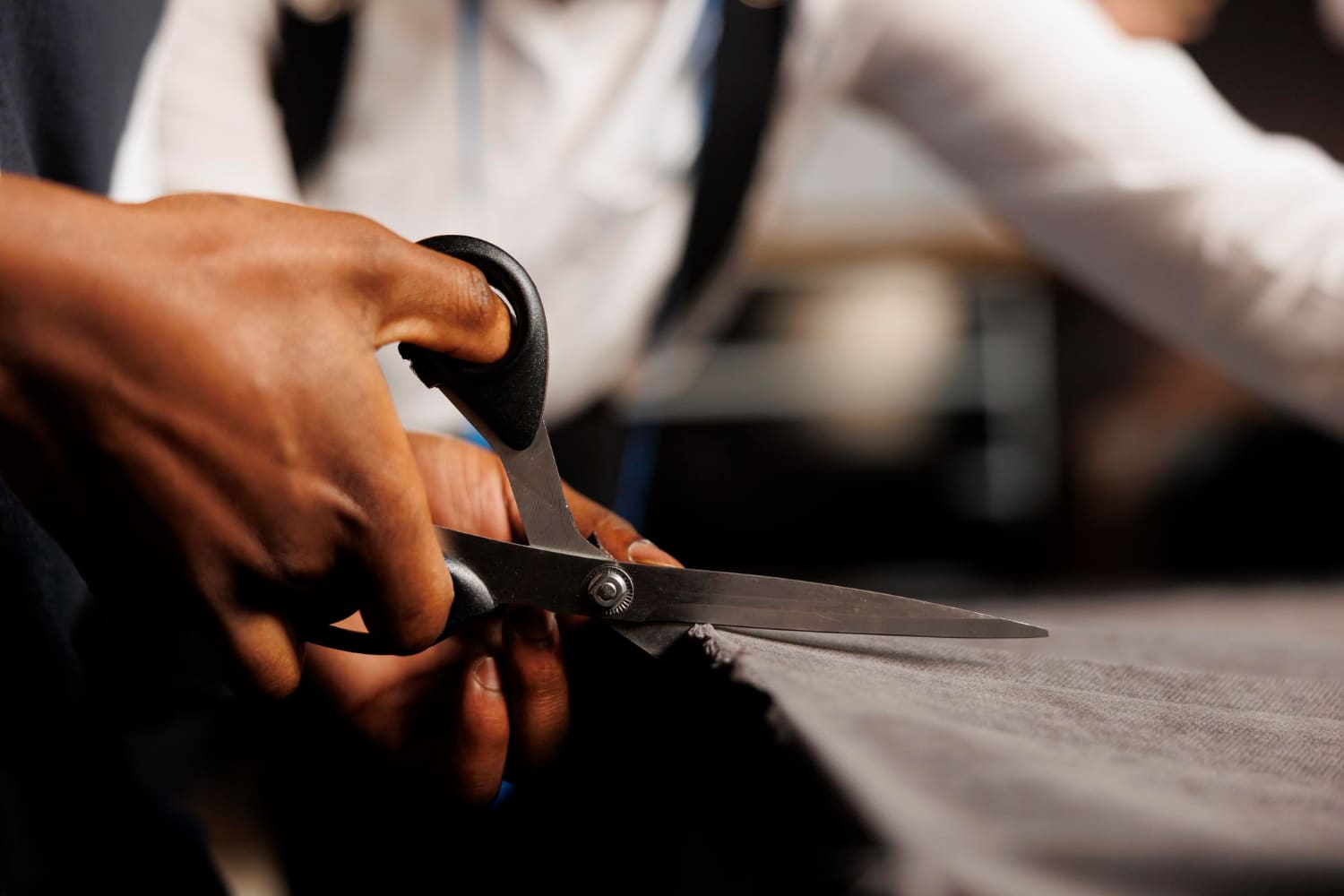
You eye a favorite piece and think it only needs a small adjustment, but you hesitate because you’re not sure what alterations usually cost. Even a small fix may require careful work depending on the fabric and structure of the garment. That’s why pricing can vary so widely.
In this post, let’s walk through the main factors that raise or lower alteration costs, so you know what shapes the quote you receive.
Not all alterations start from the same baseline, which is one of the main reasons pricing varies. A quick hem on casual clothing usually takes less time and planning than altering a tailored piece designed for structure. The type of alteration determines how much of the garment needs to be taken apart and rebuilt.
Tailors mentally sort garments before they ever quote a price. Each category comes with its own level of labor, risk, and time commitment.
The more tailored the garment, the more planning and handling it requires. That’s why clothing alteration costs naturally increase as garments become more structured and detailed.
Fabric isn’t just about how a garment looks. It directly affects how a tailor approaches the alteration. Some fabrics respond well to adjustments, while others demand slower, more controlled handling. Weight, stretch, and surface texture all affect how long an alteration takes.
Professional tailors adjust their tools, stitching techniques, and pacing based on the fabric in front of them.
Each of these fabrics slows the process differently. As a result, clothing alteration costs reflect not just the task itself but also the extra care required to protect the material.
Some alterations adjust size, while others adjust structure, and that distinction matters. Simple changes follow existing seams and proportions, but complex alterations reshape how the garment sits on the body. That difference dramatically affects labor and pricing.
Tailors assess complexity by considering how deeply the alteration affects the design of the garment.
When an alteration changes how weight and fabric distribute across the body, the work becomes more technical. That level of craftsmanship naturally raises clothing alteration costs because precision becomes essential.
Internal construction often matters more than what you see on the outside. Linings, layers, and hidden details add steps to the alteration process, even if the final change looks simple. Each additional layer requires more time to open, adjust, and close the garment.
Many garments look simple until a tailor opens them up.
These elements don’t always show in the final result, but they significantly increase labor. That behind-the-scenes effort explains why clothing alteration cost rises when garments include more internal or decorative components.
Time affects pricing just as much as technique. When a garment arrives with a tight deadline, tailors must adjust schedules and prioritize the work. Faster turnaround means less flexibility in workflow.
Alteration shops plan work carefully to maintain consistency and accuracy.
When time compresses, the workload intensifies. The clothing alteration cost reflects that shift, not as a penalty but as a practical response to limited scheduling capacity.

Understanding what affects clothing alteration cost helps you make smarter decisions. However, choosing the right tailor matters just as much, especially when you’re preparing for holiday gatherings or important events. When you want reliable results guaranteed, working with experienced local professionals makes all the difference.
At Iron Press Cleaners, we’ve been helping Midland residents get the right fit since 1984. Our on-site seamstress handles everything from everyday hems to detailed garment adjustments, with most alterations completed in just two to three days. FREE Pickup and Delivery Service is also available.
Schedule your Alteration Service with Iron Press Cleaners today – call us to get started!
Iron Press Cleaners:
