You send your jeans to one place and your formalwear to another out of habit, not because the work actually requires it. A hem is a hem whether the fabric is denim or silk chiffon, and a shop that's good at one is very often good at the other. The real question was never which shop specializes in what. It's if you've been splitting your alterations unnecessarily all along.
The full range, from everyday jeans to formalwear, is laid out below, along with where each piece actually belongs.
Casual clothes get worn the hardest and altered the least, mostly because people don't think of a T-shirt or a pair of jeans as something a tailor touches. That's a missed opportunity. The pieces you live in every day benefit the most from small adjustments, since you notice the fit every single time you put them on.
Common casual alterations include:
Denim hemming looks simple, but a good shop replicates the original topstitching and fade line so the hem doesn't look patched on, matching the exact thread color and stitch pattern rather than just closing up the fabric at the new length.
Waist tapering on casual pants removes fabric from the back darts and side seams, not the front, so the pockets and fly stay put and the actual proportions of the garment don't shift in a way that reads as obviously altered.
Casual pieces have the fastest turnaround in the shop. Simple seams, forgiving fabric, no structural rebuild, ready in a few days rather than the week or more a formal piece might need.
Work clothes sit in a different category than casual pieces because you wear the same handful of items repeatedly, often in front of the same people. A blazer that pulls across the back or trousers that break wrong at the shoe become a daily irritation instead of a one-time inconvenience.
Workwear alterations typically include:
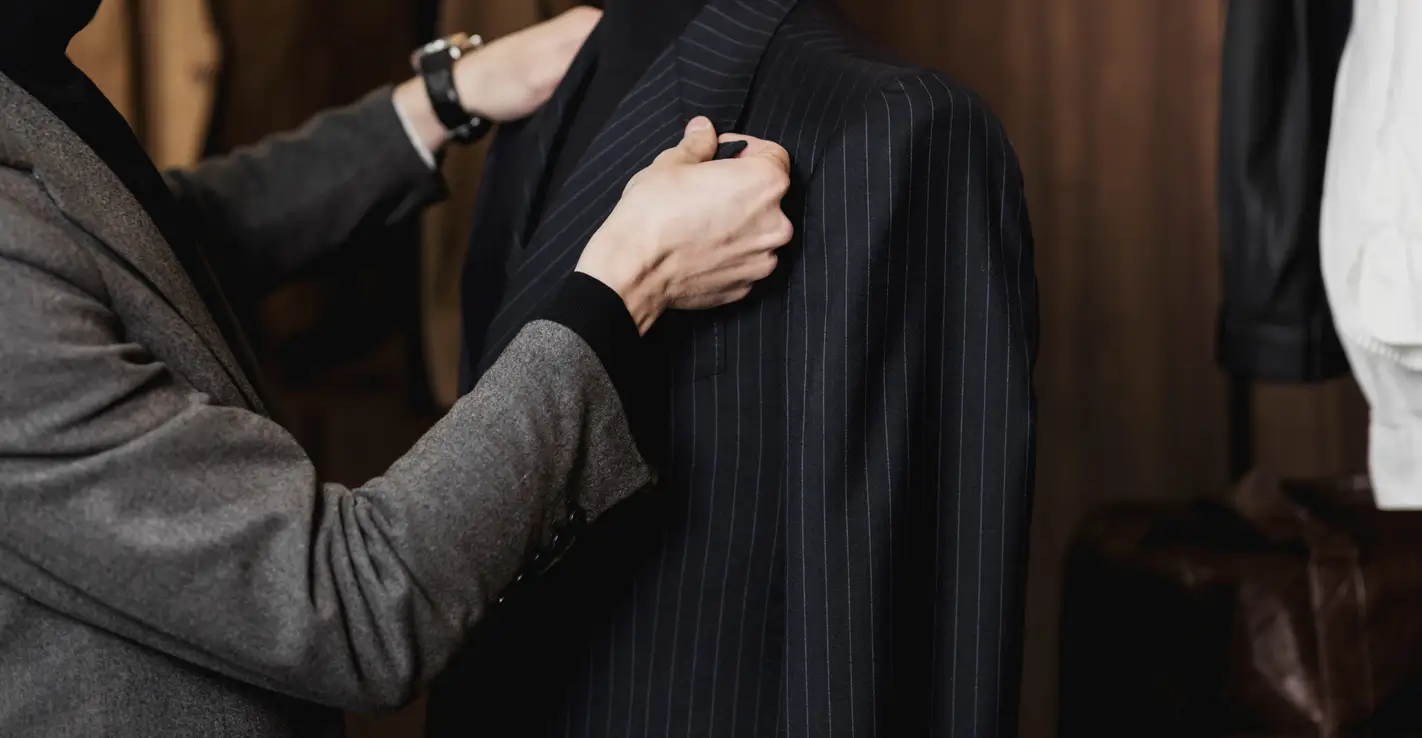
Sleeve shortening on a blazer isn't just trimming the bottom. Functional cuff buttons and buttonholes have to be reset, and the lining trimmed to match, so it genuinely takes longer than a casual hem, even though the visible change looks similar at a glance.
Waist suppression, the tailored curve at the waist, is done through the side seams and back darts so the garment keeps its shape instead of fitting loose in one spot and tight in another, a distinction that separates a genuinely tailored look from one that just looks smaller.
Trouser break depends on workplace culture as much as measurement. Some offices want a slight break at the shoe, others prefer none. A good tailor asks before cutting, since this is one of the few alterations where personal and workplace preference matters as much as a technically correct measurement.
Workwear sits in the middle of the complexity range: more precision than casual, but without formalwear's layered construction underneath.
Formalwear is where alteration skill actually gets tested. Tuxedos, structured gowns, and formal suiting are built with internal layers, canvas, boning, or lining that a casual dress simply doesn't have. Altering these pieces means working with that internal construction, not just the outer fabric.
Formalwear alterations commonly include:
Jacket length on a tux means trimming the canvassing (the semi-rigid layer inside the chest and lapel), not just the outer wool and lining, or the proportions end up off in a way that's subtle but genuinely visible to anyone actually looking closely at the finished garment.
Vent adjustment (the slit at the back) affects how the jacket sits when you're seated, so it's usually handled alongside length rather than treated as a separate, optional detail most people wouldn't think to ask about.
Gown hems are their own specialty. Chiffon, silk, and satin move differently than cotton, and a bias-cut gown hangs unevenly if hemmed flat instead of on the body, in the shoes you'll actually wear. That's why floor-length hemming is typically a fitting, not a drop-off, since the fabric's actual drape can't be accurately assessed any other way.
This is the highest-skill tier of alteration work, since internal layers get opened and reconstructed rather than simply re-stitched at the surface.
Occasion wear overlaps with formalwear in fabric and construction, but the situation around it is different. These are pieces worn once or twice a year, sometimes borrowed, sometimes bought for a single event, and the timeline pressure is usually tighter than with clothes you wear routinely.
Occasion alterations often involve:
What alterations can't fix: cheap, thin fabric often won't hold stitching for structural changes, and the repair can end up looking worse than the original problem. Size changes beyond two full sizes on a structured jacket or bodice usually need more rebuilding than covered by a standard alteration. Heavily beaded formalwear sometimes needs specialist beadwork a general shop may not offer. A shop worth trusting tells you this up front rather than attempting work it can't actually deliver.
Occasion pieces are tied to a fixed date, so timeline matters most here. Bring in the piece several weeks out, especially during wedding and event season when slots fill fast and a rushed alteration is more likely to show imperfections than a properly timed alteration.
A single appointment goes further when you come prepared. A few things make the visit more accurate and save you a return trip:
There's a real advantage to using the same shop across your wardrobe instead of switching based on garment type. Once a tailor has worked with you more than once, the process gets faster and more accurate on both sides.
None of this changes the genuine value of one ongoing relationship for the vast majority of your actual wardrobe, casual through formal, which is exactly where most alteration needs genuinely fall.
Jeans, workwear, and that one formal piece you only wear once a year all belong under the same roof. At Iron Press Cleaners, our local alteration experts in Midland, Texas handle it all, so if you've been searching for alterations in Midland, Texas or need formalwear alterations before an event, you've found your shop.
Call to book a consultation, or just walk in with a mixed pile of clothes, and we'll go through each piece with you.
Address: 3323 N. Midland Dr., Midland, TX, 79707, United States
Phone: +1 432-246-5139
